
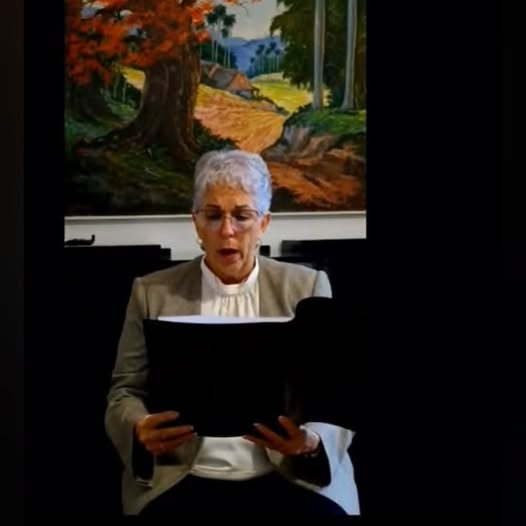
Ahead of the 63rd regular session of the Human Rights Council, taking place between September 7 and October 7 in Geneva, Switzerland, the voices of Cuban artists and writers emerged to denounce the impact of the United States’ hostile policy against the island.
The intervention of the president of UNEAC Marta Bonet de la Cruz took place Friday, September 18, on the closing day of point 3 of the agenda, which evaluated the promotion and protection of all civil, political, economic, social, cultural rights and those related to development.
Mr. President:
I represent a Cuban civil society organization that brings together nearly 8,000 writers and artists of diverse generations and styles, united by the freedom of creative expression. As the Union of Writers and Artists of Cuba, we champion avant-garde art rooted in popular traditions, the artistic heritage we have inherited, and in constant dialogue with the work of colleagues from around the world.
Cuba faces a harsh economic and financial blockade by the United States government, which has just been assessed as the main cause of suffering for our people by the Human Rights Council and the Special Rapporteur on Unilateral Coercive Measures.
Cuban art, literature, heritage, and our artists also suffer severe consequences that affect free artistic creation and education, cultural programming, the preservation of our heritage, and open dialogue with colleagues worldwide. We are denied the right to engage in cultural and academic exchanges with Americans. And we are prevented from developing our artistic industry naturally.
Access to universal and free education and culture are rights that our people have enjoyed since the revolutionary triumph of 1959. Culture must remain a heritage of the people. The blockade and energy embargo imposed on us by the U.S. government must end. Cuban art and literature, internationally recognized, and our artists have as much right to freedom of expression as they do to life.


You must be logged in to post a comment.