by: Cuban News Agency Miguel Iglesias, director of the prestigious company Danza Contemporánea de Cuba,…
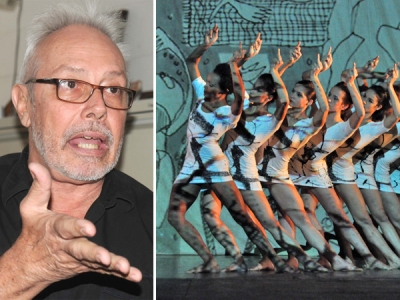

by: Cuban News Agency Miguel Iglesias, director of the prestigious company Danza Contemporánea de Cuba,…
by: Caiman Barbudo.cu Yeney de Armas has sneaked like a goblin through the world of…
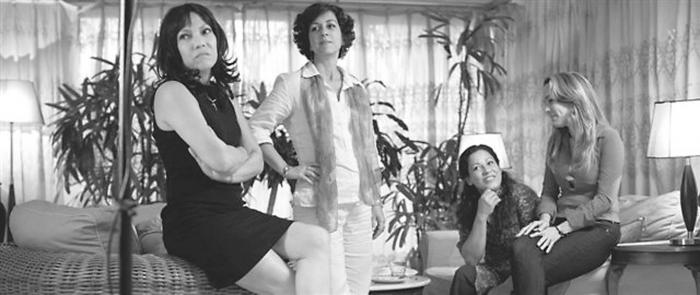
by: Granma.cu For a long time, the scarce presence of women behind the camera in…
by: npr.org There is another revolution happening in Cuba these days. A group of young…
Alina Narciso knows how to deal with women artists. She defends them, encourages them, and becomes their ally. Understanding why they do what they do, knowing that each responds according to their culture, their faith, and depends on their own efforts to succeed.
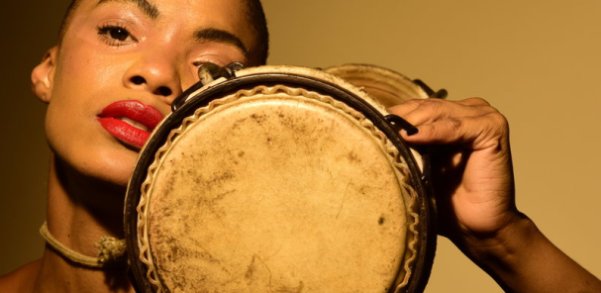
"The rumba is Cuba, we carry it inside. Follow my palms, join me and memorize this chorus… ", says Brenda Navarrete. "And it works, because Cubans can quickly connect with the simple chords of this genre of music, declared Intangible Heritage of Humanity." And in international settings it also works, she says, "because there is nothing better than showing what you are, what you bring in your roots, what is indigenous to your world … Cubans have so much musical and native wealth that it is not necessary to reach out for other things. "
The best writers in the Americas were awarded this week in Havana, Cuba, during the ceremonies for the 59th edition of the Casa de las Americas Literary Prize.
by: Granma.cu “It has been a surprise and a great emotion. It’s a tremendous honor…
We have a hot pair of tickets to see ARIWO + SOUNDSPECIES in London on Monday 23 April to give away, courtesy of ComoNo!
We have a hot pair of tickets to see Cuban trova star Eliades Ochoa in London on Wednesday 25 April to give away, courtesy of ComoNo!
When Carlos Acosta talks about his company something lights up in him. A light of satisfaction crosses his face to reflect that feeling that only those who see a dream come true experience. The uncertainties of its beginnings have been left behind. Acosta Danza, in its very short life (its premiere was in April 2016), has quickly consolidated within the national dance scene as a company that leaves aesthetic traces that set it apart from the rest. Its line is defined by the integration of contemporary and neoclassical, not excluding other expressions, times and styles of dance.
On the subjects of the projects and premieres of the company, Acosta's return to the stage, the reception by the public and the making of a film based on his life we talked with this dancer, who even when he is recognized both inside and outside of Cuba, has not lost his humility and is still as Cuban as he is unique.
EDICIONES UNIÓN, the publishing house of the Union of Writers and Artists of Cuba (UNEAC), is presenting 20 titles in a range of genres, from novels, poetry collections, essays, short stories, even to children's literature, at this year's 27th International Book Fair (Havana February 1-11, then to other parts of the country.)
What is not transmitted, does not exist. The Grammy privileges the most commercial media categories: album, recording, revelation, pop, rock, Bruno Mars in stardom and the sinking of Despacito. The rest are for consumption by specialised amateurs or become mere record references. They do not qualify for the red carpet show.
Cuba's International Book Fair is a celebration of literature. In many countries, book festivals are for the publishers. In Cuba, it's all about the book-lover. The fair attracts tens of thousands of avid readers. CGTN's Michael Voss reports on how this event's become Cuba's most important cultural festival of the year.
The restrictions imposed on US citizens by the Trump administration to travel to Cuba in November 2017 go beyond the typical Cold War backdrop. In fact, they accentuate the policy of commercial, economic and financial siege to which the blockade clings, successively condemned by the UN General Assembly by absolute majority. The "hard hand" of the US president, linked to those of US politicians Marco Rubio and Diaz-Balart, not only represents a political change from the techniques of former President Barak Obama, but a new strategy of interference. It shows a natural review of and cancellation of exchanges between US and Cuban institutions.
 Cuba 50
You must be logged in to post a comment.