
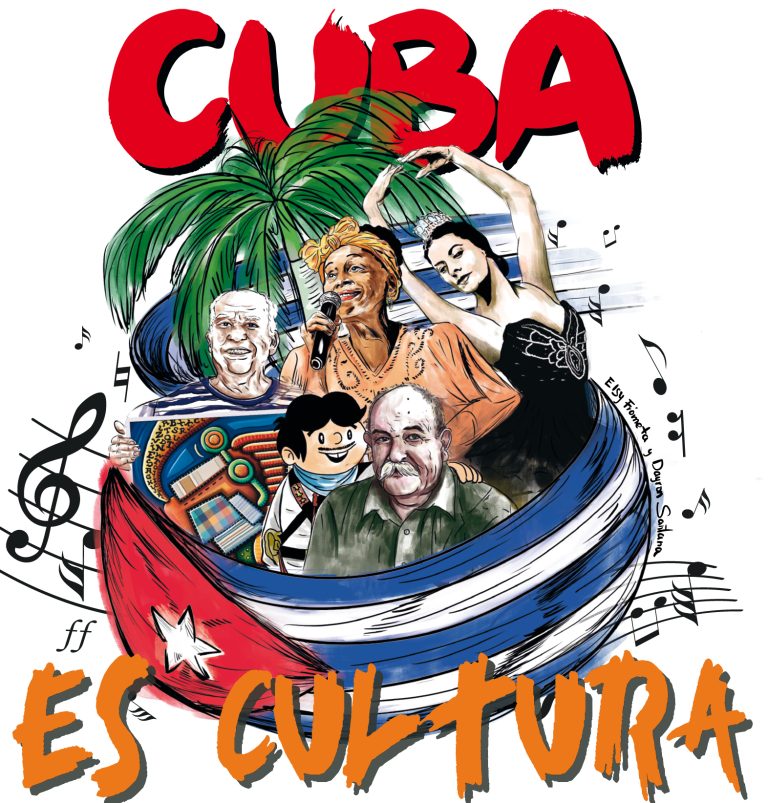
Cuba’s National Day of Culture is 20 October but Cubans celebrate their cultural heritage throughout the country from 10-20 October each year. It is intended as a tribute to the nation’s identity and diversity.
This year the period of concerts, shows, exhibitions and events are dedicated to the work of young artists across Cuba, to the poet José María Heredia on the 220th anniversary of his birth, and to the National Ballet of Cuba which celebrates the 75th anniversary of its founding on 28 October this year.
The national programme of events is coordinated by the Ministry of Culture. This began on 10 October with the traditional ringing of the bell at La Demajagua sugar mill in Granma province. 155 years ago in 1868 the bell was rung by Carlos Manuel de Céspedes, when he called for all slaves to be freed and the first War of Independence began. Granma also hosted the Fiesta de la Cubanía this year with the slogan ‘All voices in one’.

October 12, the Day of Indigenous Resistance, is also being included to celebrate Latin American and Caribbean cultural diversity.
All provinces organise their own events with a focus on children and young people and exploring the multiplicity of ways in which Cuban culture manifests itself, beyond the artistic and literary.
The Day of Cuban Culture, 20 October, itself commemorates the first singing of ‘La Bayamesa’, by Perucho Figueredo in 1868 at the beginning of the Wars of Independence, the song that became the national anthem.
José María Heredia was born in Santiago de Cuba. He is considered by many to be one of the first romantic poets of the Americas and one of the most important in Spanish language. “En el Teocalli de Cholula” and “Niagara” are his most important poems. His poetry uses nature to express intense personal feelings.
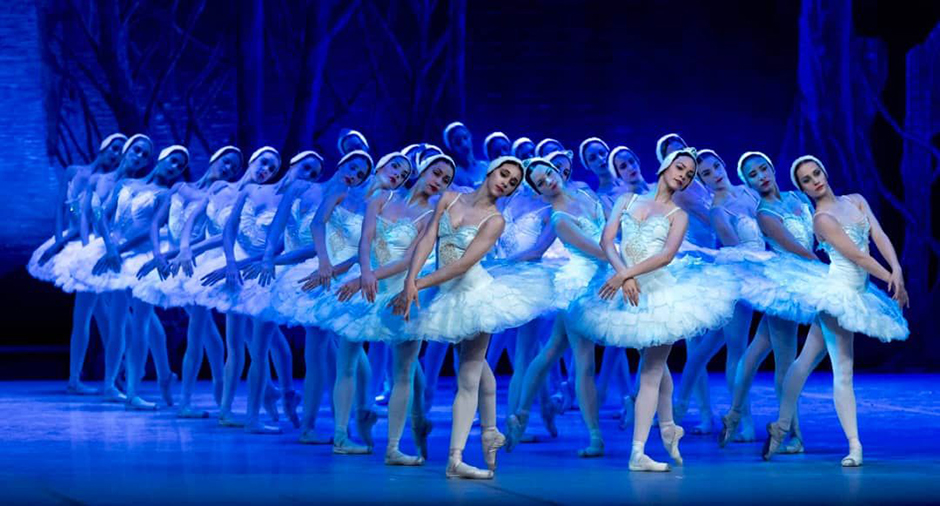
The National Ballet of Cuba (BNC) is presenting a special Jubilee season of classic ballets to celebrate the 75th anniversary of its foundation at the National Theatre in Havana.
In an interview with Prensa Latina, the director of the BNC, Viengsay Valdés, said that it is an honour and fills her with happiness to be present at such a historic moment for the company, in which everyone begins to review what has happened over past decades, first under the direction of maestro Fernando Alonso, then Alicia Alonso and now with her leadership. “here we continue with that legacy for the Cuban ballet school.”
This will include those ballets for which Alicia Alonso was famous such as Coppelia, Swan Lake and Don Quixote, a trilogy for which the BNC was internationally recognised as one of the leading exponents of romanticism and dance classicism, and recognised within the island as national cultural heritage.
Based on reports by CubaDebate and Prensa Latina
 Cuba 50
You must be logged in to post a comment.